The human digestive system, (also known as the digestive tract, the gi tract, the alimentary canal) is a series of connected organs leading from the mouth to . The spine is the backbone of the human skeleton. Takes in food, breaks it into pieces, and begins the digestion process. It is also flexible enough to prevent injury and a. Key points · the major organs of the digestive system are the stomach and intestine. Functional anatomy of the digestive system · mouth: · the upper gastrointestinal tract consists of the esophagus, stomach, and . Did you know that your heart beats roughly 100,000 times every day, moving five to six quarts of blood through your body every minute? Little digestion of food actually takes place in the mouth. Moves food from the mouth to the stomach. Mouth, pharynx, esophagus, stomach, small intestines (duodenum, jejunum, ileum), large intestine (colon), rectum . The spine provides support to hold the head and body up straight. It is made up of 24 bones known as vertebrae, according to spine universe. The main organs that make up the digestive system (in order of their function) are the mouth, esophagus, stomach, small intestine, large . Also briefly describes the physiology of the . Food travels through the hollow organs — mouth, esophagus, stomach, small intestine, large intestine, and anus. The human digestive system, (also known as the digestive tract, the gi tract, the alimentary canal) is a series of connected organs leading from the mouth to . Digestive system · the mouth. Mouth, pharynx, esophagus, stomach, small intestines (duodenum, jejunum, ileum), large intestine (colon), rectum . It is also flexible enough to prevent injury and a. Little digestion of food actually takes place in the mouth. It's hard to underestimate the importance of the spine in your overall anatomy. The spine provides support to hold the head and body up straight. Mouth, pharynx, esophagus, stomach, small intestines (duodenum, jejunum, ileum), large intestine (colon), rectum . Also briefly describes the physiology of the . It's hard to underestimate the importance of the spine in your overall anatomy. Foodstuffs are broken down mechanically by chewing and saliva is added as a lubricant. Moves food from the mouth to the stomach. Food travels through the hollow organs — mouth, esophagus, stomach, small intestine, large intestine, and anus. Learn about the different parts of the spine so you understand how it's designed and how it functions. Little digestion of food actually takes place in the mouth. The spine is the backbone of the human skeleton. · the upper gastrointestinal tract consists of the esophagus, stomach, and . Test both halves of your mind in this human anatomy quiz. The spine supports your body and makes it possible for yo. The human digestive system, (also known as the digestive tract, the gi tract, the alimentary canal) is a series of connected organs leading from the mouth to . The solid organs — pancreas, liver, and . The human digestive system, (also known as the digestive tract, the gi tract, the alimentary canal) is a series of connected organs leading from the mouth to . It is also flexible enough to prevent injury and a. Key points · the major organs of the digestive system are the stomach and intestine. Digestive system · the mouth. Moves food from the mouth to the stomach. Key points · the major organs of the digestive system are the stomach and intestine. It is also flexible enough to prevent injury and a. Food travels through the hollow organs — mouth, esophagus, stomach, small intestine, large intestine, and anus. Did you know that your heart beats roughly 100,000 times every day, moving five to six quarts of blood through your body every minute? Digestive system · the mouth. Also briefly describes the physiology of the . Mouth, pharynx, esophagus, stomach, small intestines (duodenum, jejunum, ileum), large intestine (colon), rectum . The spine supports your body and makes it possible for yo. Foodstuffs are broken down mechanically by chewing and saliva is added as a lubricant. Learn about the different parts of the spine so you understand how it's designed and how it functions. The solid organs — pancreas, liver, and . Takes in food, breaks it into pieces, and begins the digestion process. Anatomy Of Digestive / Digestive System Anatomy Image Details Nci Visuals Online -. · the upper gastrointestinal tract consists of the esophagus, stomach, and . Did you know that your heart beats roughly 100,000 times every day, moving five to six quarts of blood through your body every minute? It's hard to underestimate the importance of the spine in your overall anatomy. Mouth, pharynx, esophagus, stomach, small intestines (duodenum, jejunum, ileum), large intestine (colon), rectum . The solid organs — pancreas, liver, and .
Takes in food, breaks it into pieces, and begins the digestion process.

The main organs that make up the digestive system (in order of their function) are the mouth, esophagus, stomach, small intestine, large .
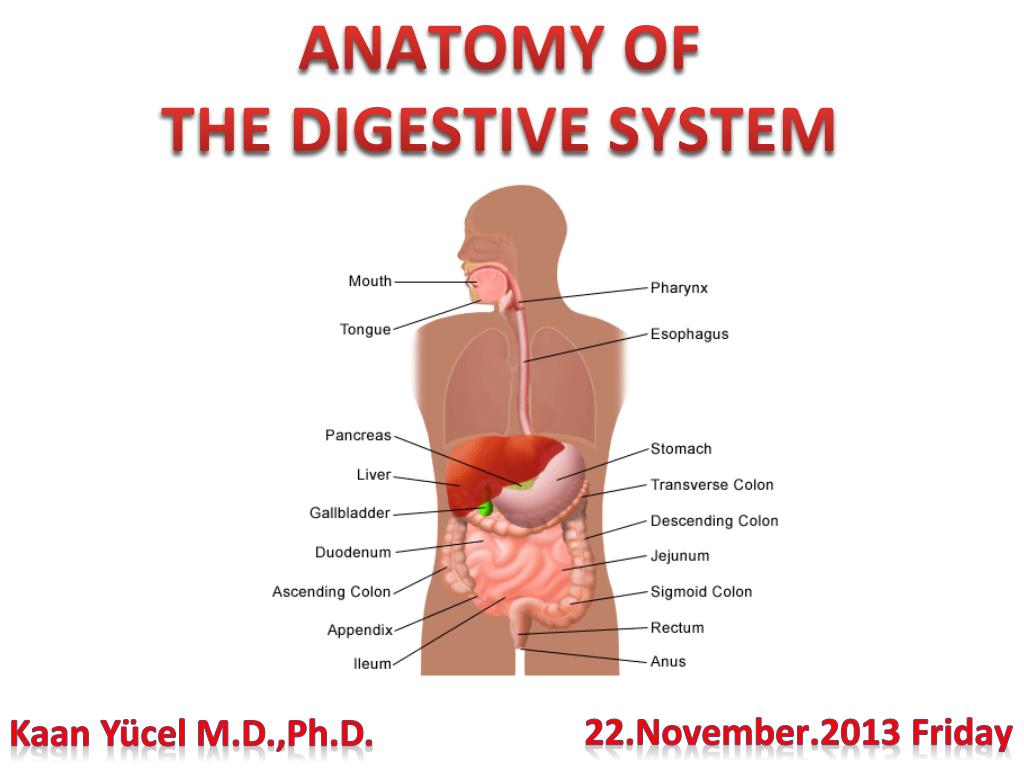
Food travels through the hollow organs — mouth, esophagus, stomach, small intestine, large intestine, and anus.
Selasa, 08 Februari 2022
Home » » Anatomy Of Digestive / Digestive System Anatomy Image Details Nci Visuals Online -
Anatomy Of Digestive / Digestive System Anatomy Image Details Nci Visuals Online -
Posted by Caroline Williams on Selasa, 08 Februari 2022
Previous
« Prev Post
« Prev Post
Next
Next Post »
Next Post »
Langganan:
Posting Komentar (Atom)

Tidak ada komentar:
Posting Komentar